

What Happened Today, April 22nd
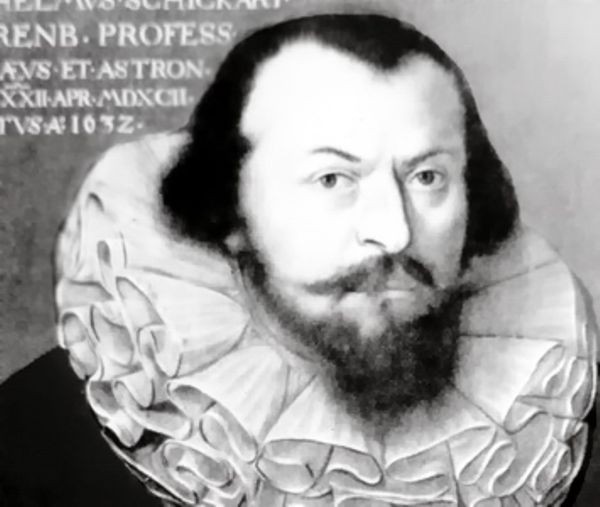
Wilhelm Schickard, creator of an early calculating machine, is born in Germany. Schickard uses wooden gears to build an adding machine in 1623, called the "calculating clock," that could add and subtract up to six-digit numbers.
What Happened This Week
Researchers run the first FORTRAN program. Short for "FORmula TRANslator," FORTRAN enabled computer programmers ("coders," at the time) to work in a "high-level" language, greatly simplifying program writing. The first FORTRAN program (other than internal IBM testing) runs at Westinghouse, producing a missing comma diagnostic. A successful attempt followed.
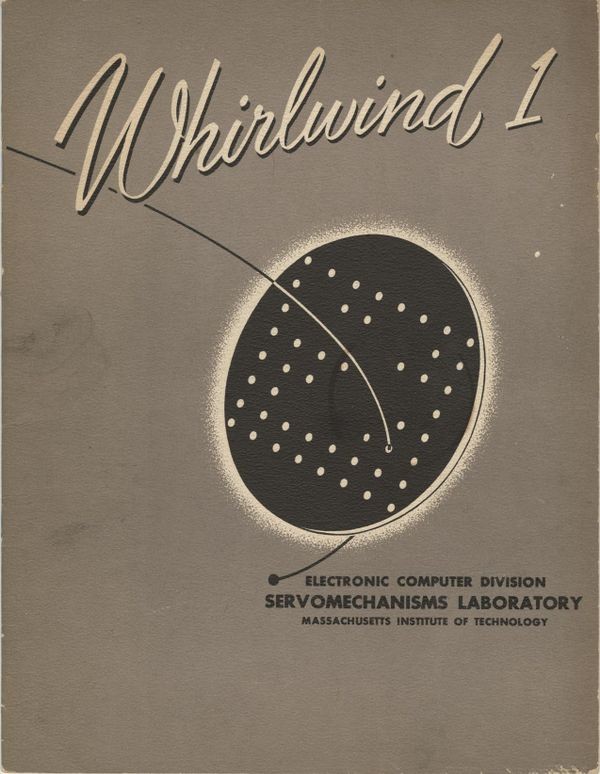
MIT demonstrates its Whirlwind machine on Edward R. Murrow's See It Now television series. Project director Jay Forrester describes the computer as a "reliable operating system," running 35 hours a week at 90-percent utility using an electrostatic tube memory that stores up to 2,048 16-digit words. The machine used 4,500 vacuum tubes and 14,800 diodes, taking up a total of 3,100 square feet.
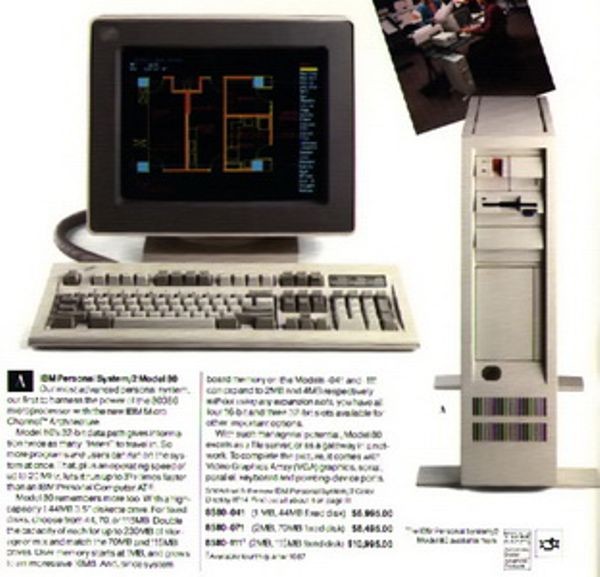
Tandy Corp. holds a press conference in New York to announce its plans to build clones of IBM's PS/2 system computers. The conference comes on the heels of IBM's announcement that it would license patents on key PC technologies, a move that signaled its willingness to let other companies clone its machines. Within five years, IBM clones became more popular than original IBM machines themselves.
Wilhelm Schickard, creator of an early calculating machine, is born in Germany. Schickard uses wooden gears to build an adding machine in 1623, called the "calculating clock," that could add and subtract up to six-digit numbers.
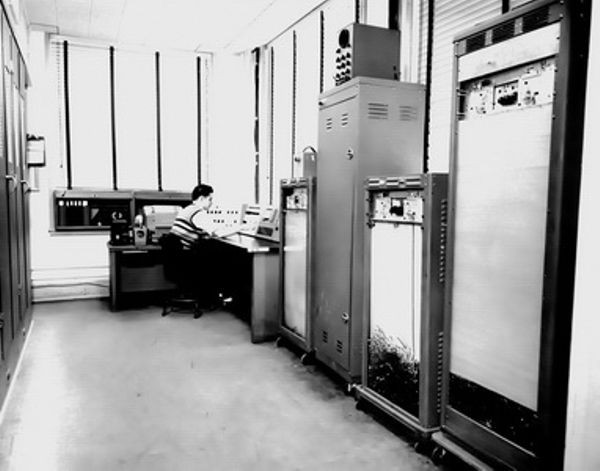
The National Bureau of Standards retires its SEAC (Standards Eastern Automatic Computer), which it built in Washington 15 years earlier as a laboratory for testing components and systems for setting computer standards. The SEAC was the first computer to use all-diode logic, a technology more reliable than vacuum tubes, and the first stored-program computer completed in the United States. Magnetic tape in the external storage units stores programming information, coded subroutines, numerical data, and output.
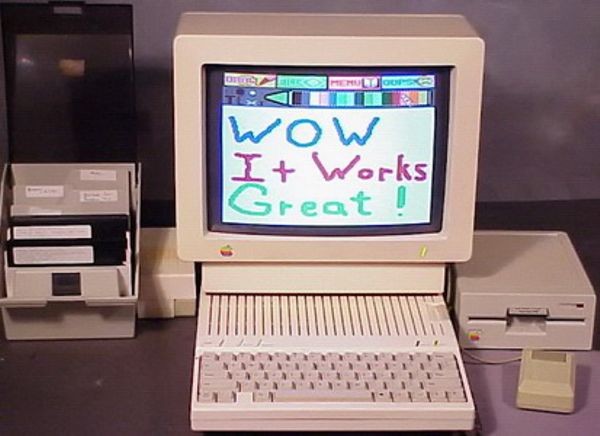
Apple Computer introduces its Apple IIc, a portable machine designed to have the same operating capacity as the standard IIe model. The machine came with 128 kilobytes of RAM and a 5 1/4-inch floppy disk drive.
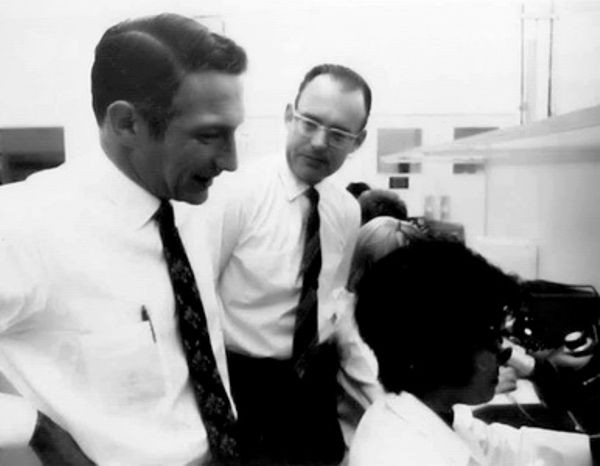
The US Patent Office issues Robert Noyce a patent for the integrated circuit, starting a long battle with Jack Kilby over who had rights to the patent. Kilby had invented a germanium version of the circuits, while Noyce developed the silicon integrated circuit -- the one that grew to be more accepted. Integrated circuits replace transistors in computers, allowing the machines to be significantly smaller.