


What Happened Today, July 6th
Internet service provider America Online Inc. settles lawsuits filed in California that had accused the company of misleading subscribers about how it computes monthly service charges. As part of the settlement, customers received $22 million in free online time and cash rebates.
What Happened This Week

Intel Corp. announced the first of two price cuts on its microprocessors in a move designed to keep rival companies from taking a larger share of its market. Long dominant in the microprocessor industry, Intel tried a number of tactics to make its Pentium chips standard for IBM-compatible personal computers.
Internet service provider America Online Inc. settles lawsuits filed in California that had accused the company of misleading subscribers about how it computes monthly service charges. As part of the settlement, customers received $22 million in free online time and cash rebates.
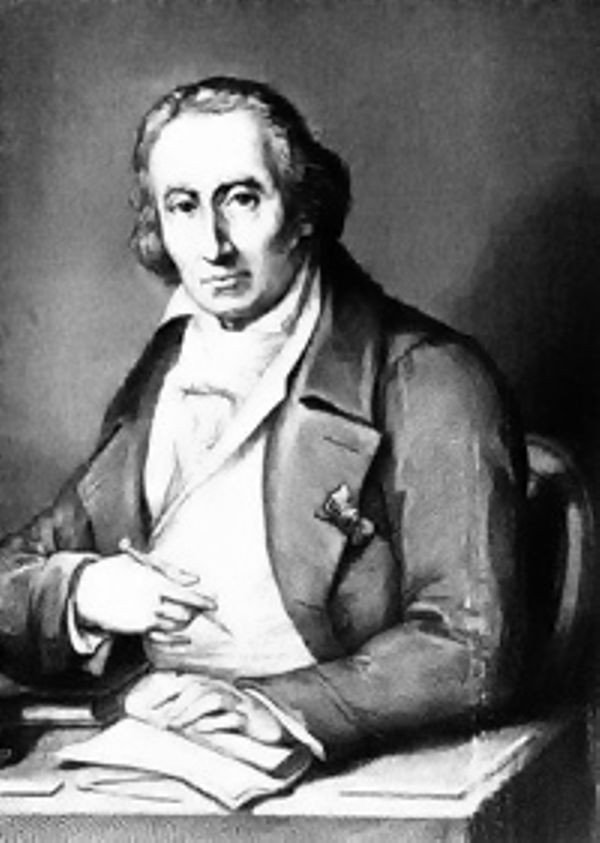
Joseph-Marie Jacquard, inventor of the Jacquard loom, was born in France. The Jacquard loom pioneered the use of punched cards to give instructions to a machine, in this case a loom weaving rugs and linens.
Herman Hollerith later latched onto the punch-card technique for his machines that calculated the US census in the early part of the 20th century. The first several decades of computers continued to utilize punch cards for programming.
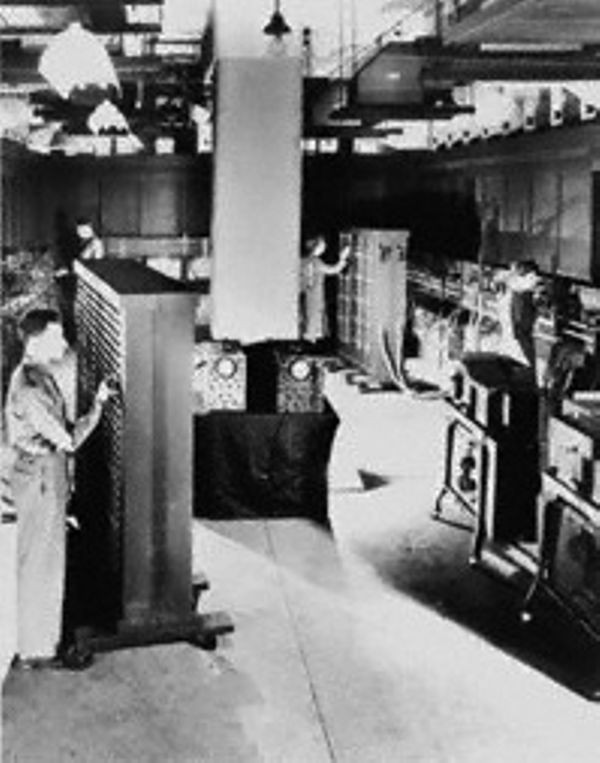
The University of Pennsylvania's Moore School of Electrical Engineering launched an inspiring summer school on computing that stimulated construction of stored-program computers at universities and research institutions. This free, public set of lectures inspired the EDSAC, BINAC, and, later, IAS machine clones like the AVIDAC.

Disney released Tron, the first mainstream film to use extensive computer-generated graphics and special effects. Starring Jeff Bridges, the film also had a computer-related plot in which a programmer is transported into a computer to fight a program called Master Control and replace it with the more reliable Tron system.
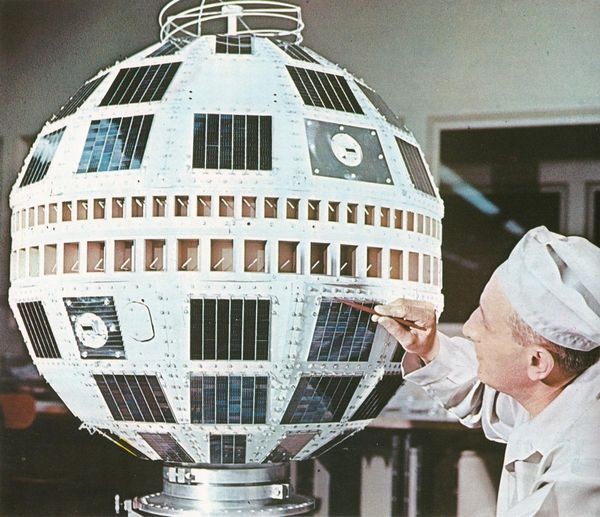
Trans-Atlantic television and other communications became a reality as the Telstar communications satellite was launched. A product of AT&T Bell Laboratories, the satellite was the first orbiting international communications satellite that sent information to tracking stations on both sides of the Atlantic Ocean. Initial enthusiasm for making phone calls via the satellite waned after users realized there was a half-second delay as a result of the 25,000-mile transmission path.
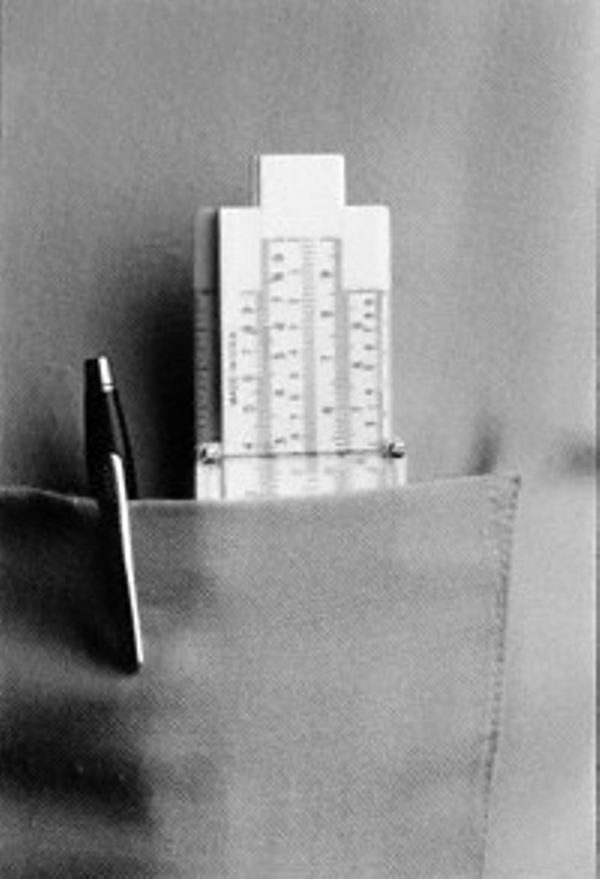
K&E produced its last slide rule, which it presented to the Smithsonian Institution. A common method of performing mathematical calculations for many years, the slide rule became obsolete with the invention of the computer and its smaller, hand-held sibling, the calculator.