

What Happened Today, October 24th
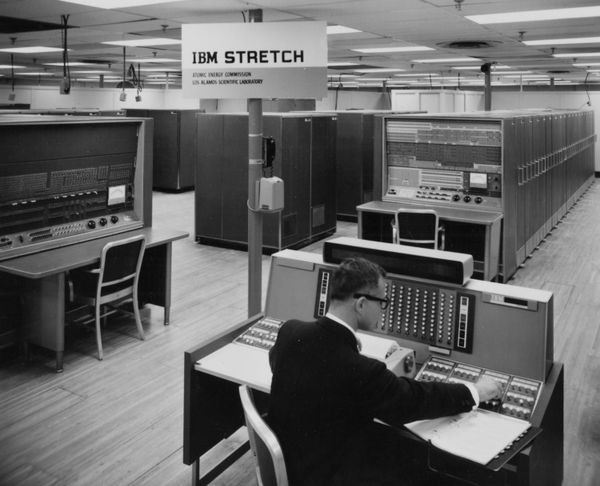
Werner Buchholz was a member of the teams that designed the IBM 701 and Stretch models. Buchholz used the term "byte" to describe a sequence of eight bits—although in the 1950s, when the term first was used, equipment used six-bit chunks of information, and a byte equaled six bits. Buchholz described a byte as the group of bits required to encode a character, or the numbers of bits transmitted in parallel in a communications channel.
What Happened This Week
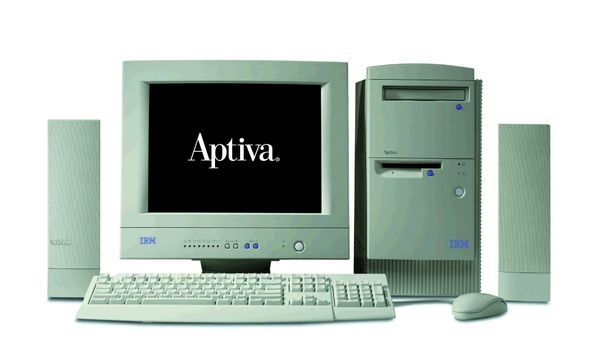
IBM Corp. announced it would be cutting back its line of personal computers from nine models to four. It also notified the public of several new models and said it would bring back the brand name many connected to the company, the IBM PC. The plan for consolidating IBM’s personal computer production was to have four divisions: IBM PC for commercial desktop machines, IBM PC Server for larger computers used on networks, Thinkpad for portables, and Aptiva for the home market.
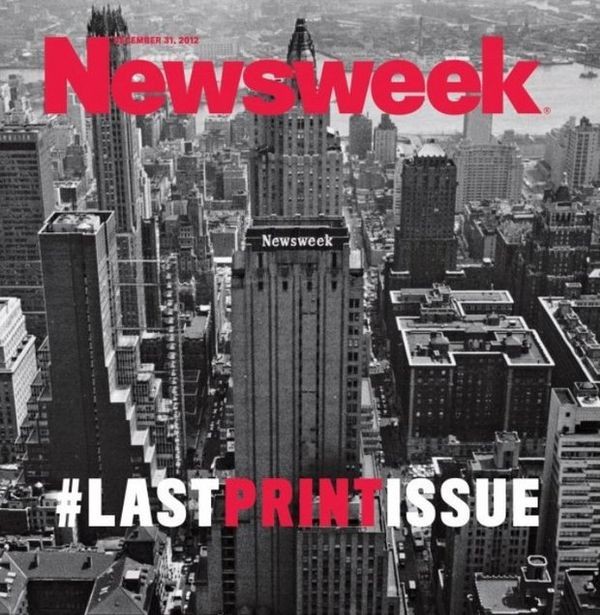
As print-news readership slowly dwindled and online audiences for news and entertainment skyrocketed, the publishing industry faced a major inflection point. Many magazine publishers abandoned print versions of their journalistic offerings, and went almost entirely digital. After nearly 8 decades, and recent financial losses that forced its sale to Sidney Harman, Newsweek made the announcement that the last printing of their magazine would be on December 31, 2012. In a nod to online worlds of communication and news gathering, the cover of the last issue featured a simple title: “#LASTPRINTISSUE.”
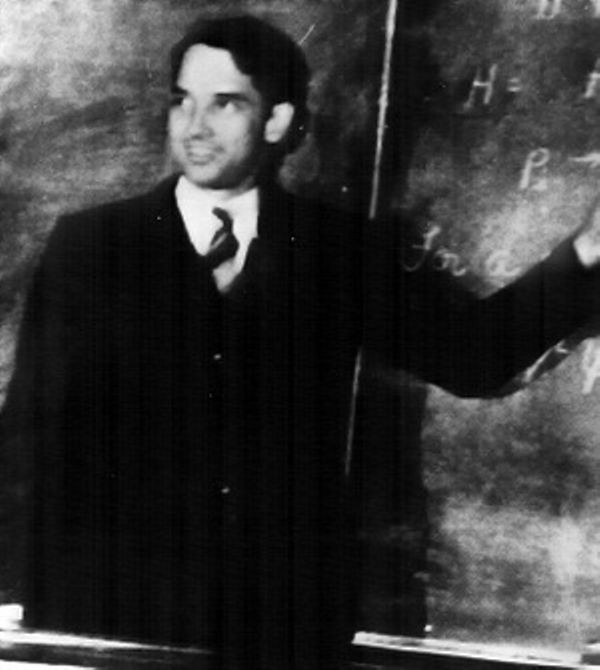
John Vincent Atanasoff emerges as victor from a protracted US legal battle for the title of the inventor of the electronic digital computer. A judge determined his work had preceded and contributed to development of the ENIAC machine, whose inventors had previously been credited.
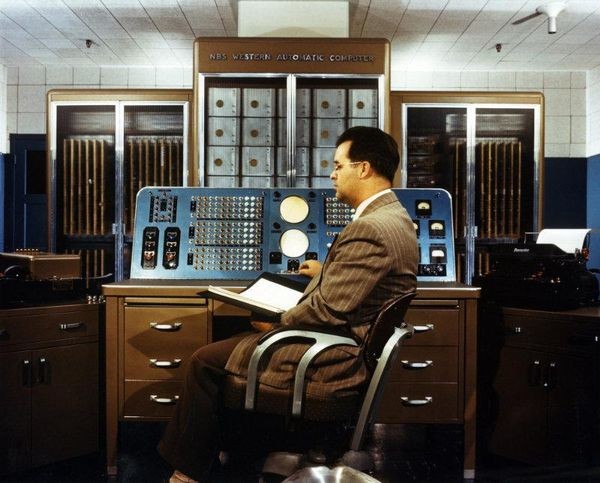
The National Bureau of Standards authorized construction of its Standards Western Automatic Computer. The machine, which would be built at the Institute for Numerical Analysis in Los Angeles, had an objective to compute using already-developed technology. This was in contrast to the machine’s cousin, the Standards Eastern Automatic Computer, which tested components and systems for computer standards.

Ubuntu is a free computer operating system based on Debian GNU/Linux. Its name loosely translated from the Zulu means "humanity," or "a person is a person only through other people." Ubuntu is intended to provide an up-to-date, stable operating system for the average user, with a strong focus on usability and ease of installation. Ubuntu has been rated the most popular Linux distribution for the desktop, claiming approximately 30 percent of desktop Linux installations, according to the 2007 Desktop Linux Market survey. Ubuntu is open source and free. It is sponsored by Canonical Ltd., which is owned by South African entrepreneur Mark Shuttleworth.
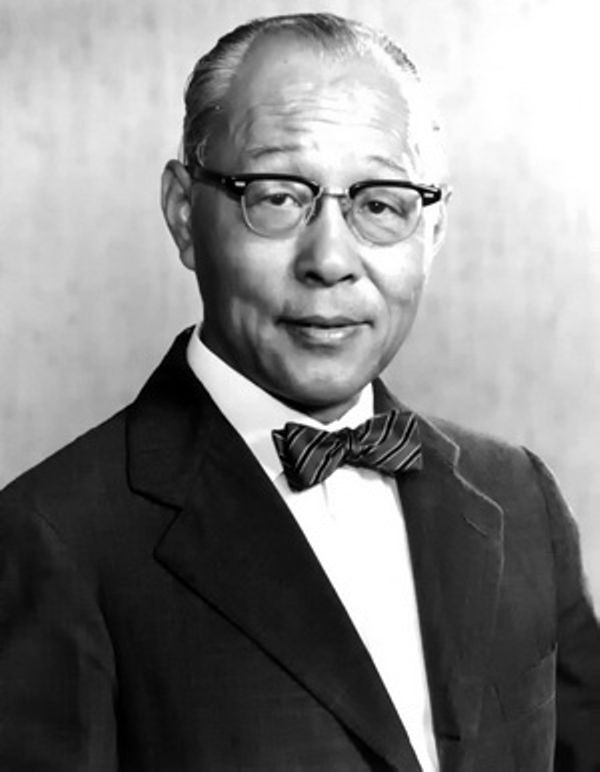
An Wang called his patent "pulse transfer controlling devices." Computer designers had been looking for a way to record and read magnetically stored information without mechanical motion, and Wang's concept of the magnetic core memory was central to later computer development. Two years later An Wang found Wang Laboratories.
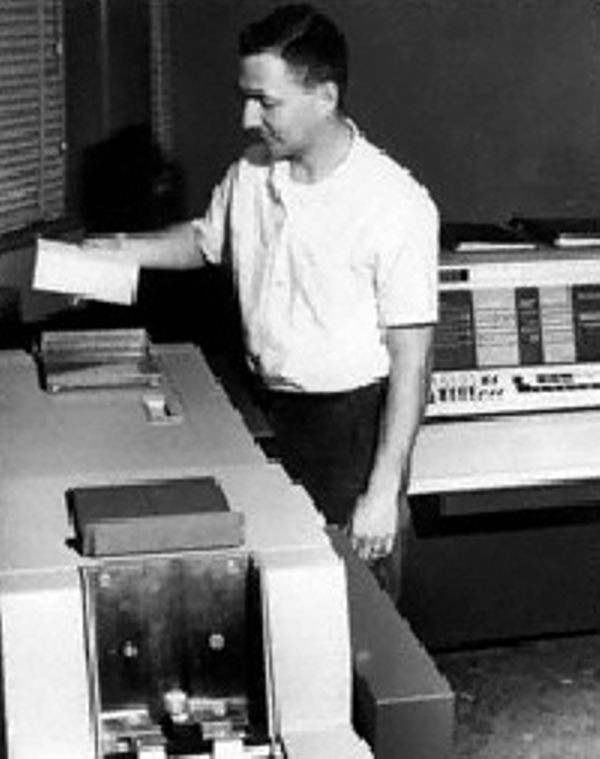
Stanley Mazor was born in Chicago on October 22, 1941. He studied mathematics and programming at San Francisco State University. He joined Fairchild Semiconductor in 1964 as a programmer and then a computer designer in the digital research department where he developed portions of the Fairchild Symbol computer. In 1969, he joined Intel. In 1977, he began his teaching career in Intel's Technical Training group, and later taught classes at Stanford, University of Santa Clara, KTH in Stockholm and Stellenbosch, SA. In 1984 he was at Silicon Compiler Systems. He co-authored a book on chip design language while at Synopsys 1988-1994. He was invited to present The History of the Microcomputer at the 1995 IEEE Proceedings.
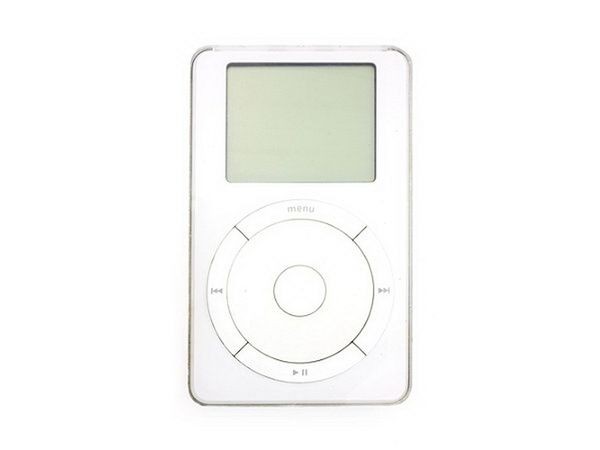
Apple ventures into the handheld and music entertainment markets with the introduction of the iPod. The original iPod was equipped with a miniature hard disk, but future iterations featured flash memory. Apple billed the iPod as letting users “put 1,000 songs in your pocket,” a dramatic increase over competing players. Although it was not the first handheld player for digital music, the iPod, in tandem with the iTunes music store, radically altered the way people bought, stored, shared, and listened to music.
Werner Buchholz was a member of the teams that designed the IBM 701 and Stretch models. Buchholz used the term "byte" to describe a sequence of eight bits—although in the 1950s, when the term first was used, equipment used six-bit chunks of information, and a byte equaled six bits. Buchholz described a byte as the group of bits required to encode a character, or the numbers of bits transmitted in parallel in a communications channel.