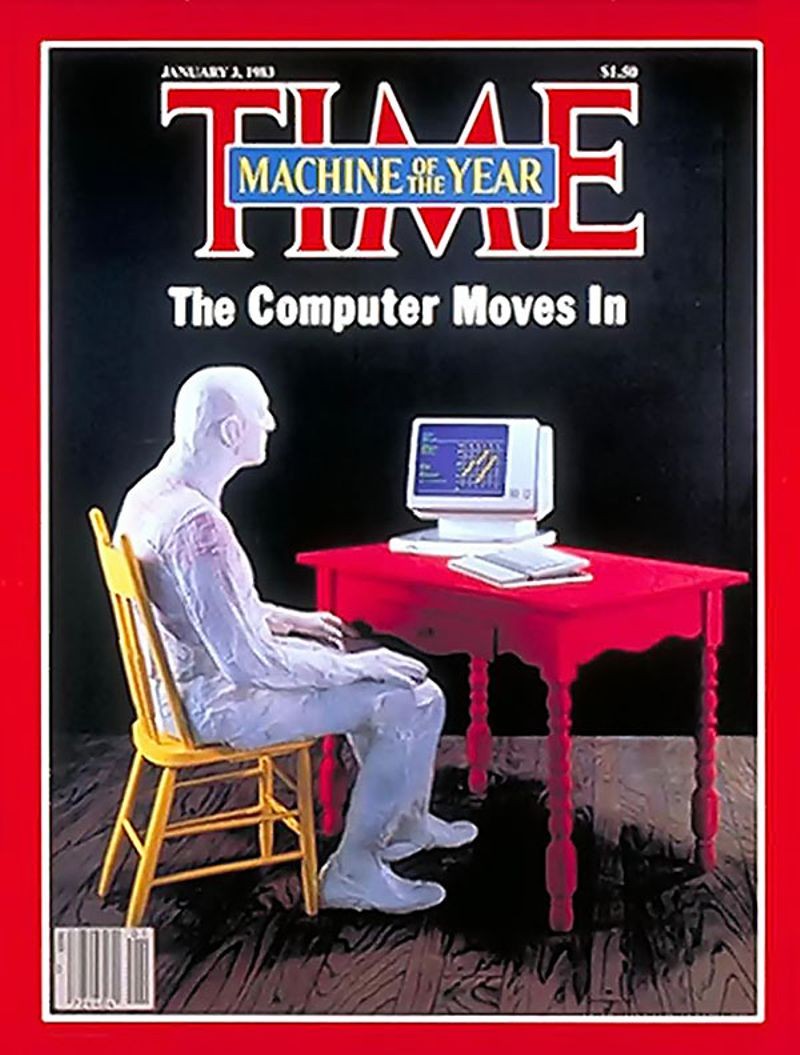
1982 TIME "Machine of the Year" cover
TIME magazine alters its annual tradition of naming a "Man of the Year," choosing instead to name the personal computer its "Machine of the Year." In introducing the theme, TIME publisher John A. Meyers wrote, "Several human candidates might have represented 1982, but none symbolized the past year more richly, or will be viewed by history as more significant, than a machine: the computer." His magazine, he explained, has chronicled the change in public opinion with regard to computers. A senior writer contributed: "computers were once regarded as distant, ominous abstractions, like Big Brother. In 1982, they truly became personalized, brought down to scale, so that people could hold, prod and play with them." At TIME, the main writer on the project completed his work on a typewriter, but Meyers noted that the magazine's newsroom would upgrade to word processors within a year.
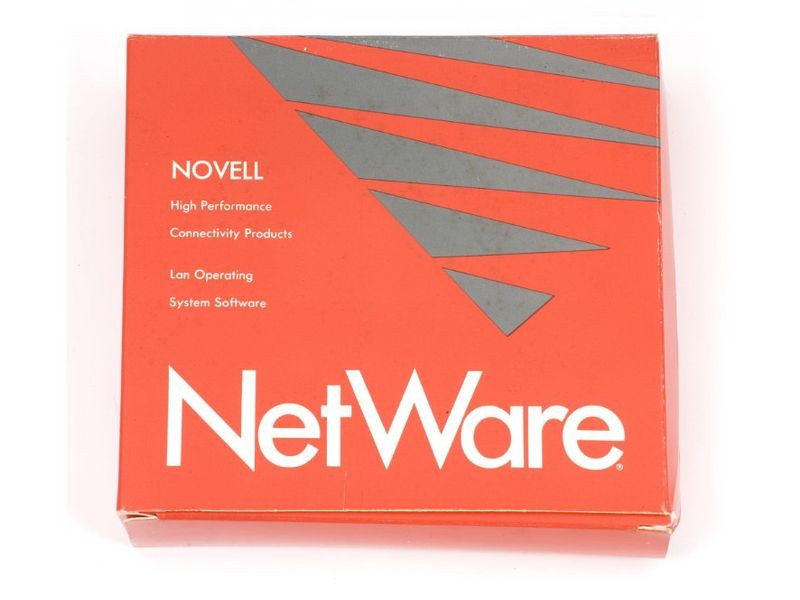
Novell Lan Operating System Software box
Protocols like Ethernet or Token Ring have established low-level links between computers and peripherals in the office. But that's only part of the solution – workers still need to do higher-level tasks such as sending e-mail, exchanging files, and sharing printers.
This need yields a hodge-podge of third party “network operating systems,” including Novell Netware, and built-in solutions like Apple’s AppleTalk. In the 1990s, Internet protocols will replace them all.
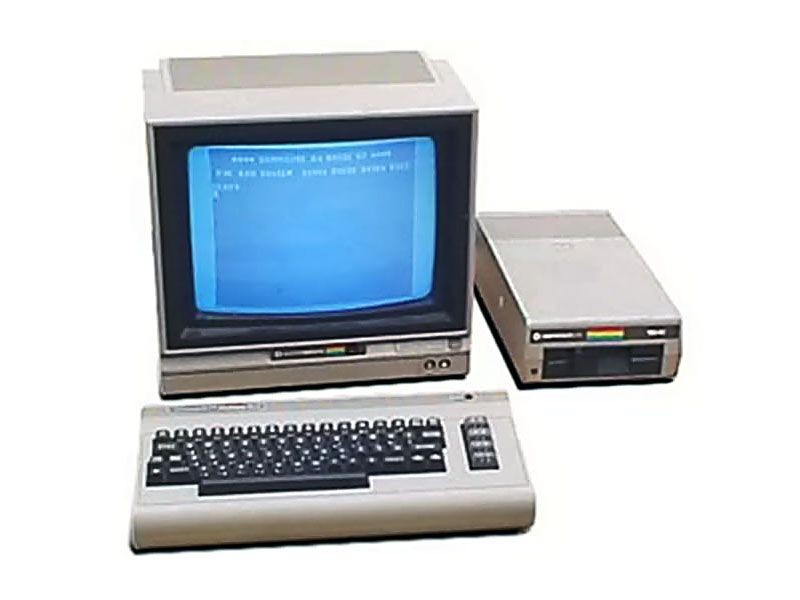
Commodore 64 system
The C64, as it is better known, sells for $595, comes with 64 KB of RAM and features impressive graphics. Thousands of software titles were released over the lifespan of the C64 and by the time it was discontinued in 1993, it had sold more than 22 million units. It is recognized by the 2006 Guinness Book of World Records as the greatest selling single computer of all time.
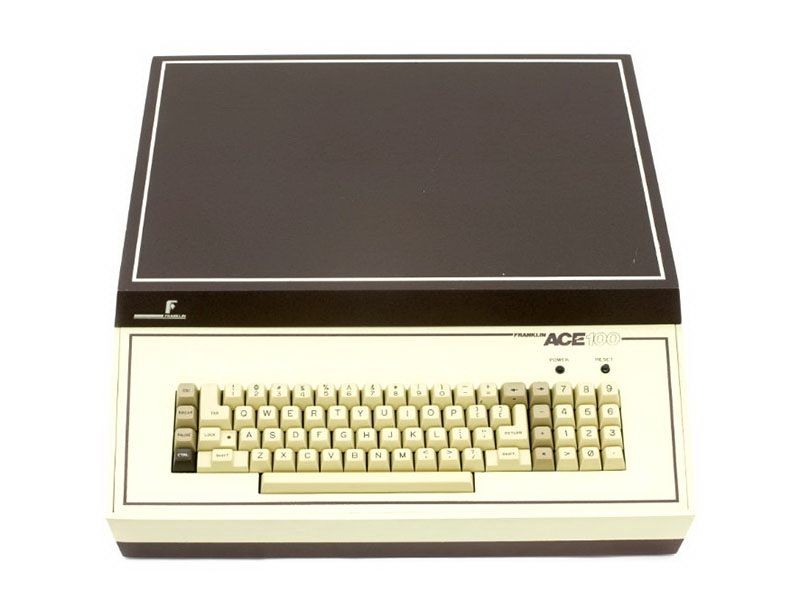
Franklin Ace 100 microcomputer
Created almost five years after the original Apple II, Franklin's Ace 1000 main logic board is nearly identical to that in the Apple II+ computer, and other models were later cloned as well. Franklin was able to undercut Apple's pricing even while offering some features not available on the original. Initially, Franklin won a court victory allowing them to continue cloning the machines, but in 1988, Apple won a copyright lawsuit against Franklin, forcing them to stop making Apple II “clones.”
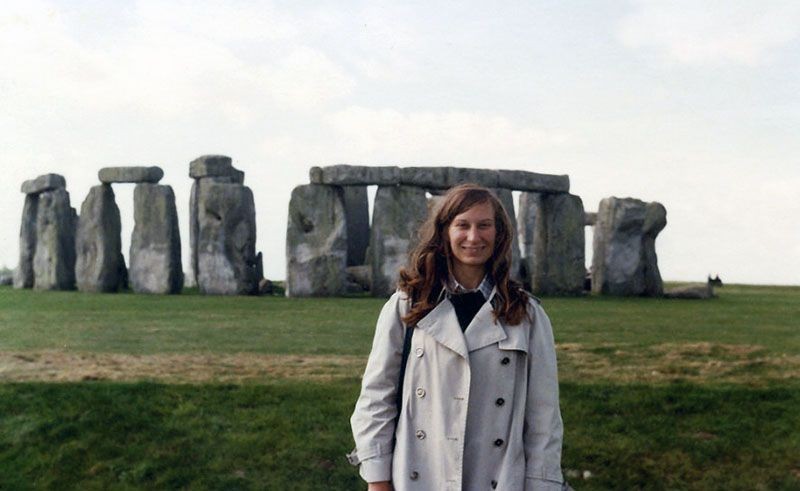
Ginny Strazisar of BBN, author of the first TCP/IP router
Bolt Beranek and Newman, which had built the original IMP and designed important parts of the ARPAnet, had also been a key participant in ARPA’s 1977 internetworking experiments. They produce early switches like the C/30 Communications Processors, but nimbler rivals like Cisco will soon overtake them.
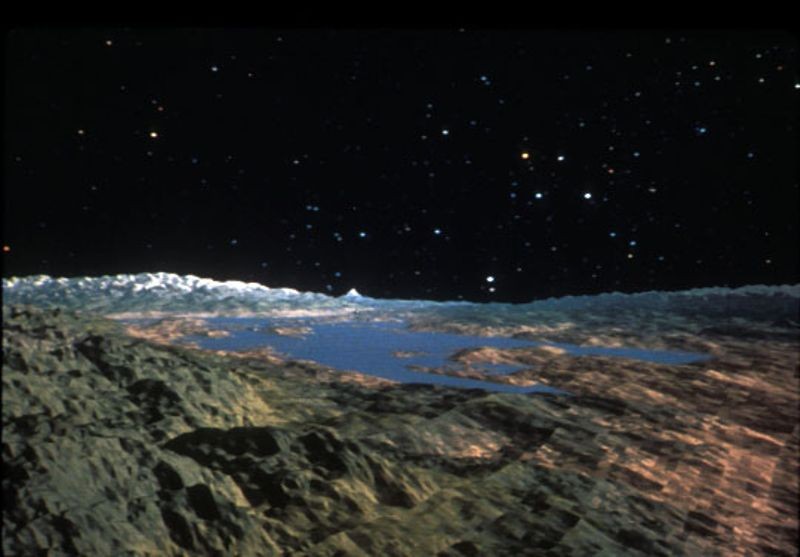
Still from the Genesis Effect
The major motion picture Star Trek II: The Wrath of Khan, features one of the earliest completely computer-generated cinematic image (CGI) sequences in a feature film. Called the Genesis Effect, the sequence showed the rebirth of a barren planet by a computer generated ‘ring of life’ that swept across the planet’s surface, creating an atmosphere and life on a planetary scale as it went.
The sequence was created by the computer graphics group at Lucasfilm, who were greatly inspired by the simulations of Jupiter and Saturn fly-bys done by Jim Blinn for NASA’s Jet Propulsion Laboratory at Caltech. The Lucasfilm team, directed by Alvy Ray Smith, produced the effect using Lucasfilm’s two DEC VAX computers, two Ikonas color frame buffers, and an Evans and Sutherland Picture System vector display. The sequence, now considered a classic in computer animation and filmmaking, lasts just over one minute, and took two person-years of work to complete.
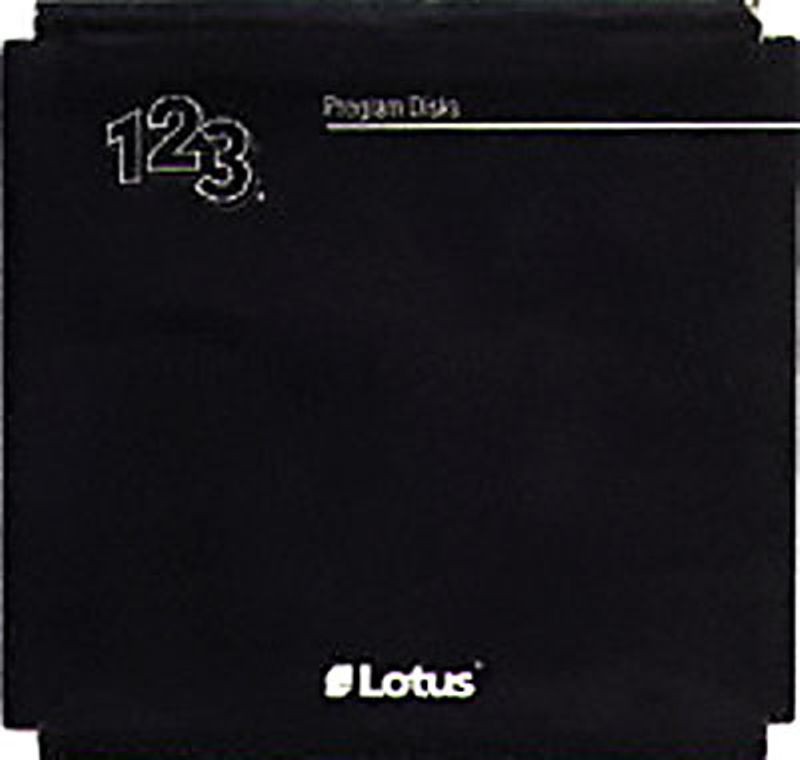
Lotus 1-2-3 5 ¼ inch diskette
Mitch Kapor develops Lotus 1-2-3, a software suite for the IBM PC based on a word processor, spreadsheet, and database. It quickly became the first “killer application” for the IBM PC, and contributed to the success of the PC in business. IBM purchased Lotus in 1995.
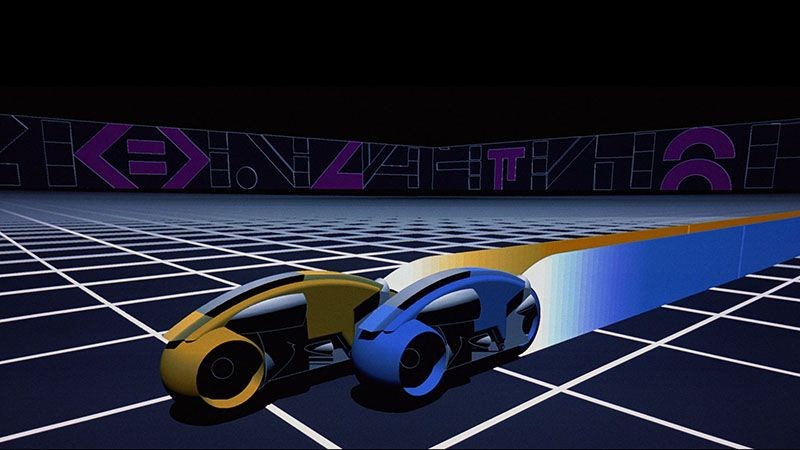
Scene from Tron
The use of computer-generated graphics in movies takes a big step forward with Disney´s release of Tron. One of the first movies to use such graphics, the plot of Tron itself also featured computers - it followed the adventures of a hacker translated into data and transported inside a computer. Although it had modest success at the box-office, Tron nonetheless has become a cult classic.
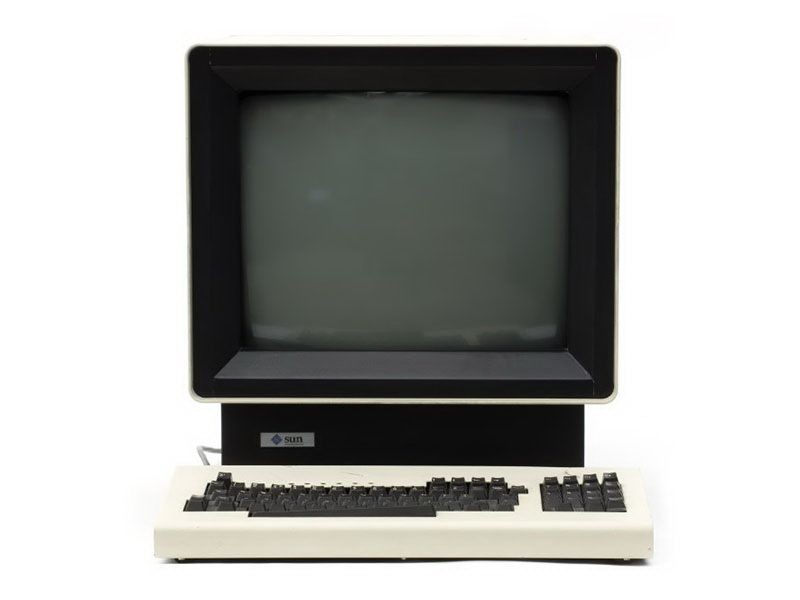
Sun-1 workstation
When Xerox PARC loaned the Stanford Engineering Department an entire Alto Ethernet network with laser printer, graduate student Andy Bechtolsheim re-designed it into a prototype that he then attached to Stanford’s computer network. Sun Microsystems grows out of this prototype. The roots of the company’s name came from the acronym for Stanford University Network (SUN). The company was incorporated by three 26-year-old Stanford alumni: Bechtolsheim, Vinod Khosla and Scott McNealy. The trio soon attracted UC Berkeley UNIX guru Bill Joy, who led software development. Sun helped cement the model of a workstation having an Ethernet interface as well as high-resolution graphics and the UNIX operating system.
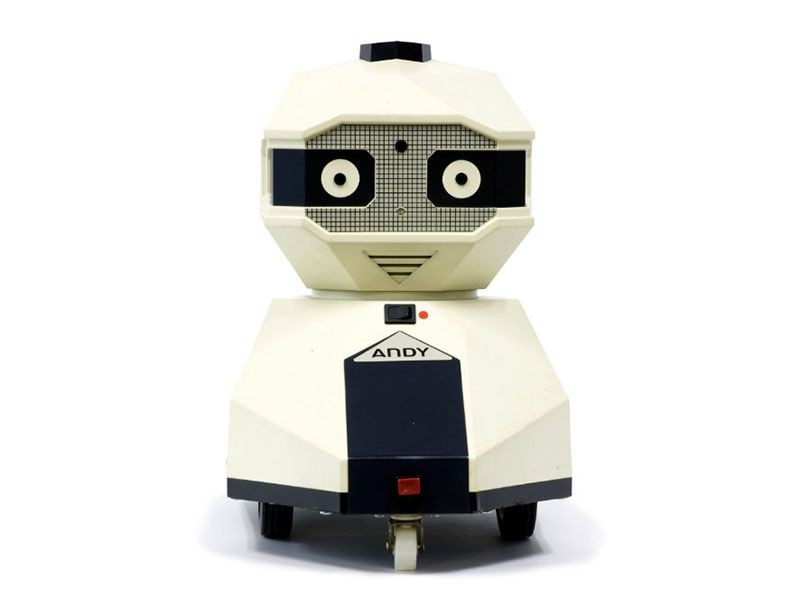
The FRED robot
Nolan Bushnell founded Androbot with former Atari engineers to make playful robots. The “Friendly Robotic Educational Device” (FRED), designed for 6-15 year-olds, never made it to market.
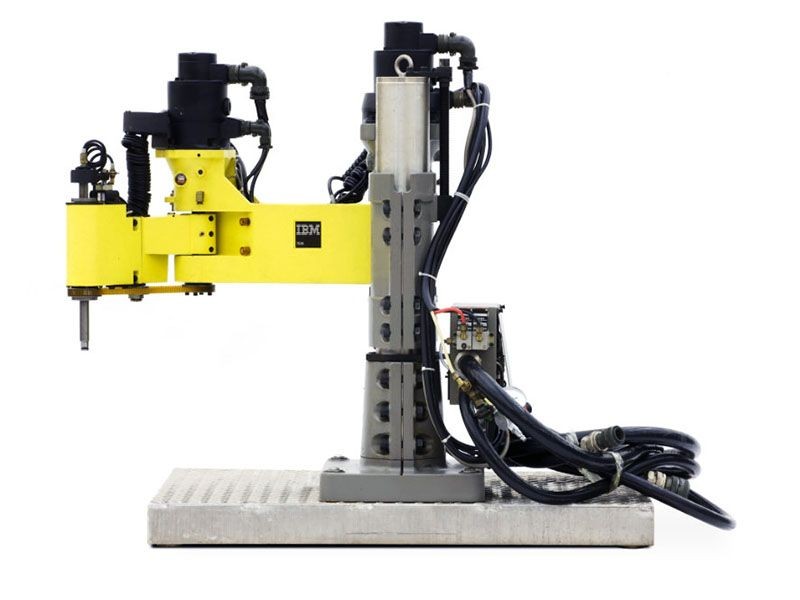
IBM's 7535
Based on a Japanese robot, IBM’s 7535 was controlled by an IBM PC and programmed in IBM’s AML (“A Manufacturing Language”). It could manipulate objects weighing up to 13 pounds.